
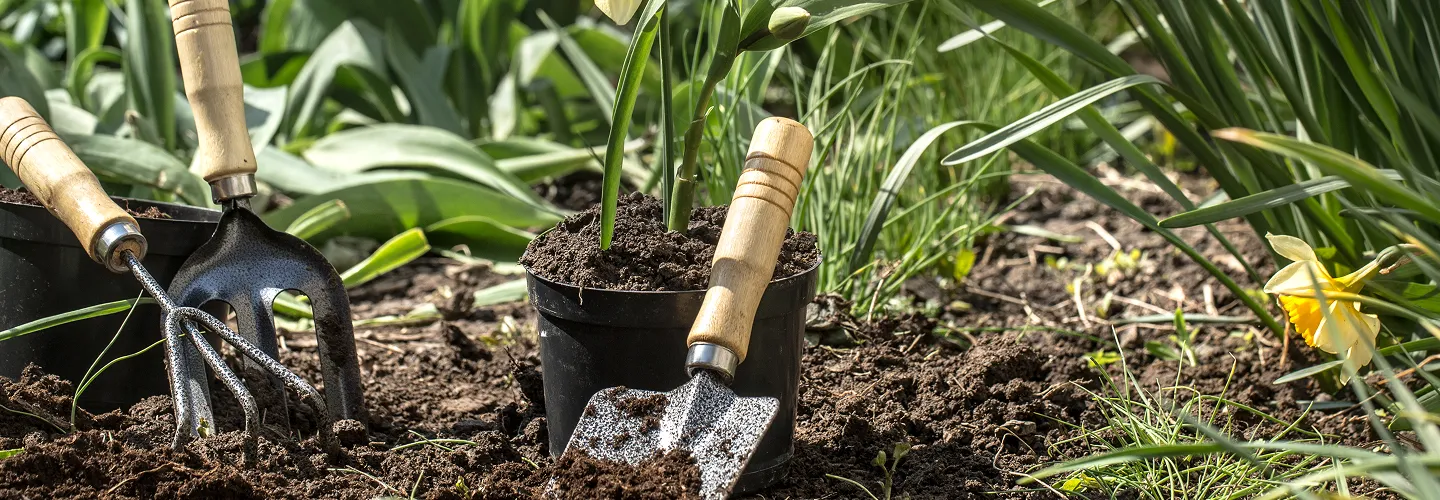
Guilford Flower Planting Services
Choose our flower planting services for vibrant, healthy blooms that enhance your home's curb appeal and create a welcoming outdoor space, all handled by experienced professionals who care about your satisfaction.
Get a Free QuoteOur Guilford Landscaping & Yard Care Services
When to Schedule Flower Planting in Guilford, Connecticut – Seasonal Guide
Flower planting in Guilford, Connecticut, is best scheduled with careful attention to the region’s unique climate and landscape. The optimal planting windows are typically in early spring, after the last frost date—usually mid-April to early May—or in early fall, when soil temperatures remain warm but the risk of drought diminishes. Guilford’s proximity to Long Island Sound moderates temperature swings, but neighborhoods like Sachem’s Head and the historic Town Green can experience microclimates due to varying shade coverage and soil drainage.
Local gardeners should consider Guilford’s well-drained, slightly acidic soils and the prevalence of mature tree canopies in areas such as Mulberry Point and Leetes Island. Monitoring local weather updates and consulting resources like the Sudbury, MA municipal site can help you stay informed about frost advisories and precipitation trends. By aligning your planting schedule with these local factors, you’ll ensure vibrant, healthy blooms throughout the growing season.
Local Factors to Consider for Flower Planting in Guilford
- Proximity to Long Island Sound and its effect on humidity and temperature
- Neighborhood tree density and available sunlight (e.g., Sachem’s Head, Mulberry Point)
- Soil type and drainage, especially in historic districts
- Average last frost date (mid-April to early May)
- Summer drought risk and municipal watering restrictions
- Terrain variations, such as sloped yards or shaded gardens
- Local precipitation patterns and seasonal rainfall
Benefits of Flower Planting in Guilford
Expert Local Knowledge
Customized Landscape Designs
Seasonal Plant Selection
Enhanced Curb Appeal
Eco-Friendly Practices
Reliable Maintenance Services

Guilford Flower Planting Types

Perennial Flower Beds
-
Annual Flower Displays
-
Native Wildflower Gardens
-
Seasonal Bulb Plantings
-
Pollinator-Friendly Plantings
-
Shade Garden Flowers
-
Container Flower Arrangements
Our Flower Planting Process
Site Evaluation
Soil Preparation
Plant Selection
Careful Planting
Watering and Mulching
Why Choose Guilford Landscape Services
-
Guilford Homeowners Trust Us
-
Expert Lawn Maintenance
-
Reliable Seasonal Cleanup
-
Competitive Pricing
-
Professional Team
-
Satisfaction Guarantee
-
Personalized Service
Understanding Guilford’s Coastal Soil Series and Drainage for Flower Planting
Guilford’s landscape is shaped by glacial till soils, predominantly the Charlton-Chatfield and Haven series, which are moderately acidic (pH 5.5-6.5) and often stony with variable drainage. Coastal neighborhoods may encounter excessively drained sandy soils, while inland areas can have poorly drained pockets with a seasonal water table at 12-18 inches. Before planting, it is recommended to conduct a soil test through UConn Extension (typical cost: $15-25) to determine pH and organic matter. Amendments such as 2-3 inches of compost tilled to a 6-inch depth and lime application for pH below 6.0 are standard practices. For detailed soil mapping, consult the USDA Web Soil Survey. Coordination with municipal infrastructure is essential when modifying drainage patterns.
Guilford Department of Public Works
31 Park Street, Guilford, CT 06437
Phone: (203) 453-8015
Official Website: Guilford Department of Public Works
Seasonal Timing and Climate Considerations for Flower Planting in Guilford
Guilford is located in USDA Hardiness Zone 6b-7a, with optimal flower planting windows from April 15 to May 30 (soil temperature 50-65°F) for spring annuals and August 20 to September 30 for fall perennials. The proximity to Long Island Sound moderates spring frosts but can result in late-season storms. The National Weather Service New York, NY Office provides up-to-date frost advisories and rainfall forecasts. For best results, avoid planting during June-August heat stress periods. Key timing guidelines include:
- Spring planting: April 15 - May 30
- Fall planting: August 20 - September 30
- Avoid: June-August (heat stress)
- Monitor: Soil temperature (50-65°F)
Native and Deer-Resistant Flower Species for Guilford’s Microclimates
Selecting species adapted to Guilford’s microclimates and deer pressure is critical for sustainable flower beds. Native perennials such as wild bergamot (Monarda fistulosa), Joe Pye weed (Eutrochium purpureum), and cardinal flower (Lobelia cardinalis) thrive in local soils and support pollinators. For deer resistance, consider lavender (Lavandula angustifolia), Russian sage (Perovskia atriplicifolia), and salvia (Salvia nemorosa). Planting recommendations:
- Full sun: Black-eyed Susan, coneflower, daylily
- Partial shade: Coral bells, astilbe, hosta
- Deer resistant: Lavender, Russian sage, salvia
- Native options: Wild bergamot, Joe Pye weed, cardinal flower Spacing should be 12-24 inches apart depending on species. For further guidance, refer to UConn Extension plant selection resources.
Wetland Buffers, Stormwater Compliance, and Environmental Regulations in Guilford
Flower planting near Guilford’s wetlands, streams, and conservation areas requires strict adherence to buffer regulations. A standard 25-foot no-disturbance zone is enforced from the edge of delineated wetlands, and no fertilizer or soil amendments may be applied within 50 feet of water bodies. The Connecticut Environmental Protection Act and Clean Water Act mandate compliance with MS4 stormwater permits, prohibiting soil or plant debris from entering storm drains. For projects within regulated areas, coordinate with the Conservation Commission for review and approval.
Guilford Conservation Commission
31 Park Street, Guilford, CT 06437
Phone: (203) 453-8039
Official Website: Guilford Conservation Commission
Connecticut Department of Energy and Environmental Protection
79 Elm Street, Hartford, CT 06106
Phone: (860) 424-3000
Official Website: Connecticut Department of Energy and Environmental Protection
Municipal Coordination: Permits, Planting in Public Spaces, and Equipment Standards
Planting flowers in public rights-of-way, near sidewalks, or within Guilford’s parks requires coordination with the Department of Public Works and, for shade trees, the Tree Advisory Board. Permits may be required for plantings within 10 feet of public infrastructure, with a typical review period of 5-10 business days. Equipment operation is permitted:
- Monday-Friday: 7:00 AM - 7:00 PM
- Saturday: 8:00 AM - 6:00 PM
- Sunday and holidays: Prohibited All operators must use ANSI Z87.1 safety glasses, hearing protection for noise above 85 dB, and maintain a 15-foot clearance from overhead utilities. For public plantings, only approved species may be used to ensure compatibility with municipal maintenance standards.
Guilford Tree Advisory Board
31 Park Street, Guilford, CT 06437
Phone: (203) 453-8015
Official Website: Guilford Tree Advisory Board
What Neighborhoods Do We Serve Throughout Guilford, CT?
- Guilford Lakes: Characterized by poorly drained soils and proximity to wetlands, requiring careful buffer compliance and selection of moisture-tolerant species.
- Mulberry Point: Coastal sandy soils with high drainage rates and salt exposure; drought-tolerant and salt-resistant flowers are recommended.
- North Guilford: Rocky glacial till soils and higher elevations; soil amendment and deer-resistant plantings are often necessary due to wildlife pressure.
- Downtown Guilford: Historic district with compacted urban soils and limited planting space; container gardening and soil remediation are common.
- Leetes Island: Close to tidal marshes and conservation areas, subject to strict wetland buffer regulations and periodic flooding.
- Great Hill: Sloped terrain with variable drainage and mature tree canopy; shade-tolerant and erosion-resistant species are preferred.
- Indian Cove: Waterfront properties with exposure to wind and salt spray; plantings must account for microclimate extremes and access limitations.